10 Essential Tips for Your First Visit to Croatia
2/17/20265 min read
Understanding Croatia's Culture and Etiquette
Croatia is a country rich in history and tradition, and understanding its culture is fundamental for a respectful and enjoyable visit. Upon arrival, visitors should remember that greetings hold significant importance in Croatian society. A polite handshake is typically the most common form of greeting, especially in formal situations. In more casual environments, a friendly embrace or a peck on the cheek may be appropriate among friends or acquaintances. Using titles and surnames when addressing someone, particularly elders, is also considered courteous.
Social norms in Croatia tend to emphasize hospitality. It is customary for hosts to go out of their way to make guests feel welcome, which in turn obliges visitors to show appreciation through gratitude and reciprocation. When invited to a Croatian home, bringing a small gift, such as flowers or sweets, is a considerate gesture. It reflects well on the visitor and aligns with the local customs that celebrate genuine hospitality.
Dining etiquette also deserves attention. Meals are often seen as a time to bond with family and friends, and they can be quite elaborate. It is polite to wait for the host to signal that it is time to start eating. Additionally, finishing all the food on your plate is generally appreciated, as it shows respect for the meal prepared for you. It is also essential to refrain from asking for salt or pepper before tasting the dish, as this may imply criticism of the cook's skills.
Lastly, visitors should be mindful of cultural taboos. Avoid discussing sensitive topics such as politics and the recent past to prevent discomfort. Understanding these essential aspects of Croatian culture will foster more meaningful interactions, allowing first-time visitors to engage with locals in a respectful and effective manner.
Choosing the Right Time to Visit Croatia
When planning your trip to Croatia, selecting the right time for your visit is crucial for ensuring an enjoyable experience. Croatia boasts a Mediterranean climate, characterized by hot, dry summers and mild, wet winters. The peak tourist season typically runs from June to August, when warm weather graces the coastal regions and invites travelers to explore the stunning Adriatic coastline.
Visiting during the summer months presents several advantages, including vibrant local festivals and a bustling atmosphere in popular destinations such as Dubrovnik, Split, and Hvar. However, it's essential to consider the downsides as well; these months often see inflated prices, crowded attractions, and an overall increase in tourist traffic, which may detract from the experience.
For those seeking a more tranquil encounter with Croatia, the shoulder seasons of spring (April to May) and autumn (September to October) are highly recommended. During these periods, travelers can enjoy milder temperatures, fewer crowds, and more affordable accommodations. Additionally, the natural beauty of Croatia is accentuated by blooming flowers in the spring and rich autumnal colors in the fall.
Winter can also be an enchanting time to visit, especially for those interested in experiencing Croatia’s rich cultural heritage through local Christmas markets and celebrations. However, keep in mind that some attractions and accommodation options may be limited during this off-peak period, particularly in coastal regions.
Ultimately, the best time to visit Croatia varies based on individual preferences and travel goals. Whether one desires the lively ambiance of summer, the serene landscapes of spring and fall, or the festive spirit of winter, Croatia is a destination that offers unique experiences throughout the year.
Hotels in Zagreb:
Must-See Destinations and Attractions
Croatia is a treasure trove of stunning destinations that attract tourists from all over the globe. For first-time visitors, the must-see cities of Dubrovnik, Split, and Zagreb offer a blend of rich history, vibrant culture, and breathtaking scenery.
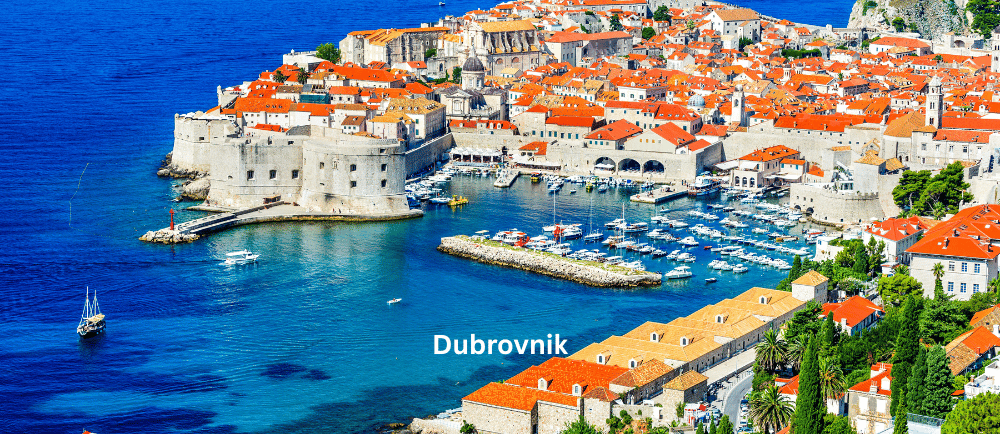
Dubrovnik, often referred to as the "Pearl of the Adriatic," is famous for its well-preserved medieval architecture and striking coastal views. The Old Town, a UNESCO World Heritage site, boasts impressive walls that provide panoramic vistas of the Adriatic Sea. Visitors can explore the famous Stradun, the main street, and the historic Rector’s Palace, which showcases the rich cultural heritage of this enchanting city. The cable car ride to Mount Srđ offers an exhilarating way to take in the city's beauty from above.
Split is another vital stop along the Dalmatian coast, where ancient meets modern. The centerpiece is Diocletian's Palace, an enormous Roman structure that is now filled with shops, restaurants, and homes. Strolling through its cobbled streets allows visitors to experience the vibrant local life. Nearby, the Riva promenade is perfect for leisurely walks and enjoying the coastal atmosphere.
Zagreb, the capital, offers a diverse array of cultural attractions. The historic upper town is home to the iconic St. Mark's Church and the impressive Zagreb Cathedral. The Museum of Broken Relationships provides a unique perspective on love and loss, while the bustling Dolac Market presents an authentic taste of local produce.
In addition to these urban gems, Croatia’s natural wonders, such as Plitvice Lakes National Park, are indispensable. This national park features cascading lakes and lush forests, offering walking trails that showcase some of the most stunning landscapes in Europe. An early morning visit can provide a serene experience away from the crowds, allowing you to fully appreciate the park's breathtaking beauty.
Practical Travel Tips and Recommendations
Visiting Croatia for the first time can be a thrilling experience filled with rich culture, breathtaking landscapes, and vibrant cities. To ensure a smooth journey, here are several practical travel tips and recommendations.
First, consider your transportation options. Croatia boasts a well-connected network of buses, ferries, and trains, making it easy to navigate between major cities like Zagreb, Split, and Dubrovnik. Renting a car is another popular choice, providing flexibility to explore off-the-beaten-path destinations such as the stunning national parks and coastal towns. However, ensure that you familiarize yourself with local driving regulations.
Language can be a barrier, but English is widely spoken, especially in tourist areas. Learning a few basic Croatian phrases can enhance your experience and endear you to locals. Common greetings and phrases such as "Dobar dan" (Good day) and "Hvala" (Thank you) can go a long way in fostering friendly interactions.
When it comes to accommodation, Croatia offers a range of options, from luxury hotels to charming guesthouses and hostels. Booking in advance can secure better rates, especially during the peak tourist season. For those seeking a local experience, consider renting an apartment through platforms like Airbnb.
Budgeting is crucial while visiting Croatia. The cost of dining, attractions, and activities can vary. Enjoying local cuisine at konobas (traditional taverns) often offers a more authentic and budget-friendly experience compared to tourist-oriented restaurants. Try local delicacies such as fresh seafood and truffles.
Safety is generally not an issue in Croatia, but it is advisable to remain vigilant in crowded areas to avoid pickpocketing. Additionally, ensuring that your travel insurance is in place before your trip provides peace of mind.
Lastly, pack essentials like sunblock, comfortable walking shoes, and a reusable water bottle to stay hydrated in the warm climate. Access to reliable travel planning resources can make your trip even more enjoyable, so consider researching itineraries and local attractions through travel blogs and official tourism websites.